

Ticks
Before going out
It is important that you check these boxes before entering wooded/grassy areas:
Spray your clothes and shoes with Permethrin(follow instructions on bottle)
Wear light colored clothing
Make sure your pets are protected using tick collars or other preventative medications(talk with your vet for pet safe options)
Tuck your clothes in to limit areas ticks can hide. Wearing tall socks to tuck your pants into and a shirt that can be tucked into your pants can make it harder for ticks to be able to reach your skin.
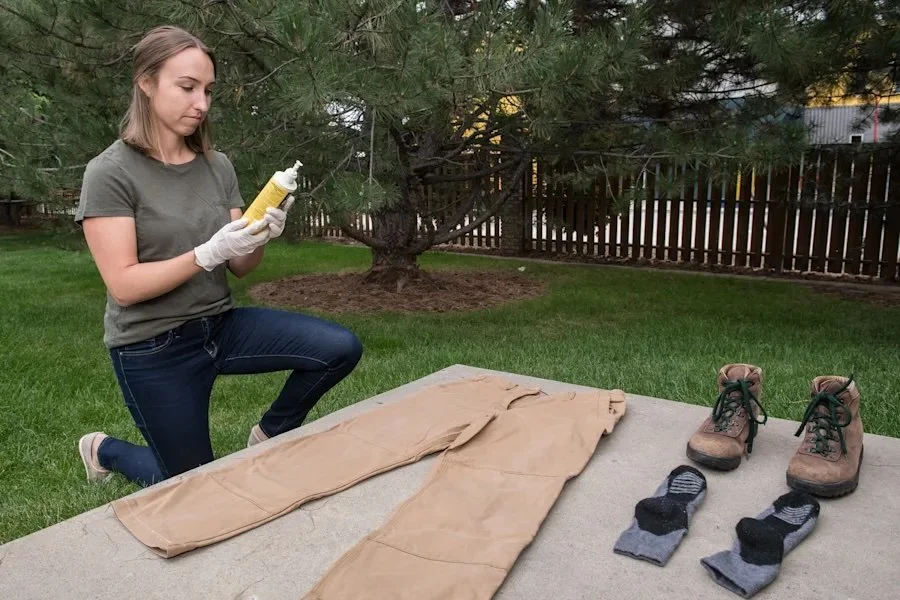
While Enjoying Nature
Don't let a fear of ticks stop you from enjoying our beautiful woods here in Freeport. While you are walking periodically check your legs and feet for any ticks that may be crawling.

After your adventure
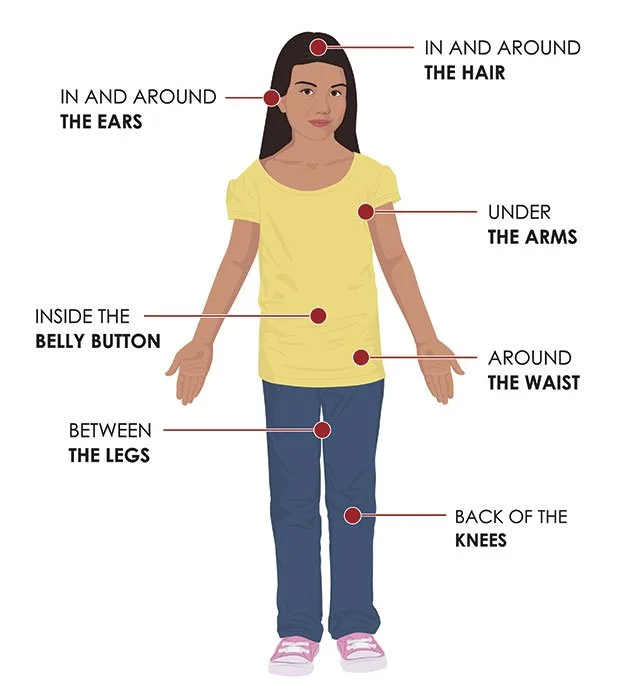
It’s essential that you check for ticks after spending time outdoors. You can follow this checklist to make sure you’ve conducted a successful tick check.
Hair
Behind ears
Armpits
Elbows
Chest
Stomach
Back
Bellybutton
Hips
Between legs
Behind the knees
Ankles
It’s a good idea to ask for assistance from others to check the hard to reach/see areas. If you find one you can put it a tick jar or use tape to prevent it from crawling away.
Our Stewardship crew spends a lot of time out in prime tick territory, which means they’ve picked up some tried-and-true tricks. Here are some of their favorite tips for staying tick-smart without worrying about it:
Always keep a lint roller in your car! Sticky lint rollers are excellent at easily picking up ticks from clothes or pets’ fur. Our trail crews recommend doing a quick swipe of a lint roller on your clothes whenever you get back inside or to your car from an adventure outdoors to easily pick up and ticks who hitched a ride.
Wear a hat out on trail. Ticks crawl to the highest thing they can reach and sit and wait with their arms open hoping to catch a ride of whatever passes by. To limit ticks getting in your hair, add an extra layer like a hat, just in case!
Tuck your socks in to your pants or wear your tall muck boots when in tall grass. Ticks can’t fly, only climb. That means they almost always will land around your feet and try to climb up. You can prevent them from getting into your pants or socks by closing off the gap between your clothes or by wearing tall boots that they have to climb up first. No matter what, we still always recommend checking for ticks at the end of the day.
What to do if you get bitten
If you get bitten call your doctor immediately. Even if you don’t have the infamous bullseye rash. Only about 20% of people with Lyme Disease got the bullseye rash. Getting immediate treatment is essential as it prevents further infection. Tick borne illness is tricky so if you think you have it always do your research to find what treatment path is right for you.

Bulls eye rash after bite
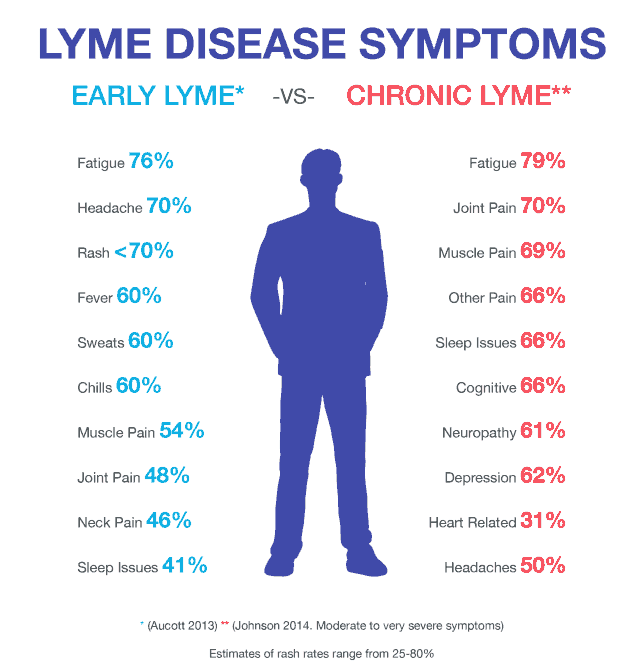
Fever
Chills
Headache
Fatigue
Muscle and joint aches
Neck stiffness
Rashes
Facial palsy
Severe joint pain and swelling
Severe headache
Pain in muscles, joints, bones, tendons
Heart palpitations
Nerve pains
Symptoms to watch for
Learn More
Genesis School of Natural Health: https://genesisschoolofnaturalhealth.org/wp-content/uploads/2022/12/M240-LYME-DISEASE-CO-INFECTIONS-MANUAL.pdf
CDC: https://www.cdc.gov/ticks/about/index.html
Canine Health Foundation:
https://www.akcchf.org/canine-health/sporting-field-dogs/tick-borne-disease.html

Hi there! My name is Maisy Nichols and I created this page as a part of my Girl Scout Gold Award and Senior Project. After my own experience with Lyme Disease, Rocky Mountain Spotted Fever, Anaplasma, Babesia, Bartonella and Alpha-Gal Syndrome; I wanted to raise awareness about it and why people should care about it. The goal is not to make people afraid of going outside, but to educate them enough where they can still enjoy our beautiful outdoors and stay protected, because that is possible. After 11 years of being sick, 2 of which was spent in treatment, I have finally healed and I want to use my energy for good. As you are exploring our beautiful trails here in Freeport, check out the sign I created as a part of my project. They are hung on all kiosks at the trails that Freeport Conservation Trust owns. Have fun out there and be safe!
Image Credits
"From Tick Bite to Treatment: What You Should Know About Lyme Disease." IGeneX, 27 Apr. 2021, https://igenex.com/tick-talk/from-tick-bite-to-treatment-what-you-should-know-about-lyme-disease/.
"Preventing Tick Bites." Centers for Disease Control and Prevention, 18 Sept. 2023, https://www.cdc.gov/ticks/prevention/index.html.
"Tick Biology." Cornell University, College of Agriculture and Life Sciences – Integrated Pest Management, https://cals.cornell.edu/integrated-pest-management/outreach-education/whats-bugging-you/ticks/tick-biology. Accessed 18 May 2025.
"Lyme Disease Rashes." NAPNAP Knows Lyme, National Association of Pediatric Nurse Practitioners, https://napnapknowslyme.org/for-providers/lyme-disease-rashes/. Accessed 18 May 2025.